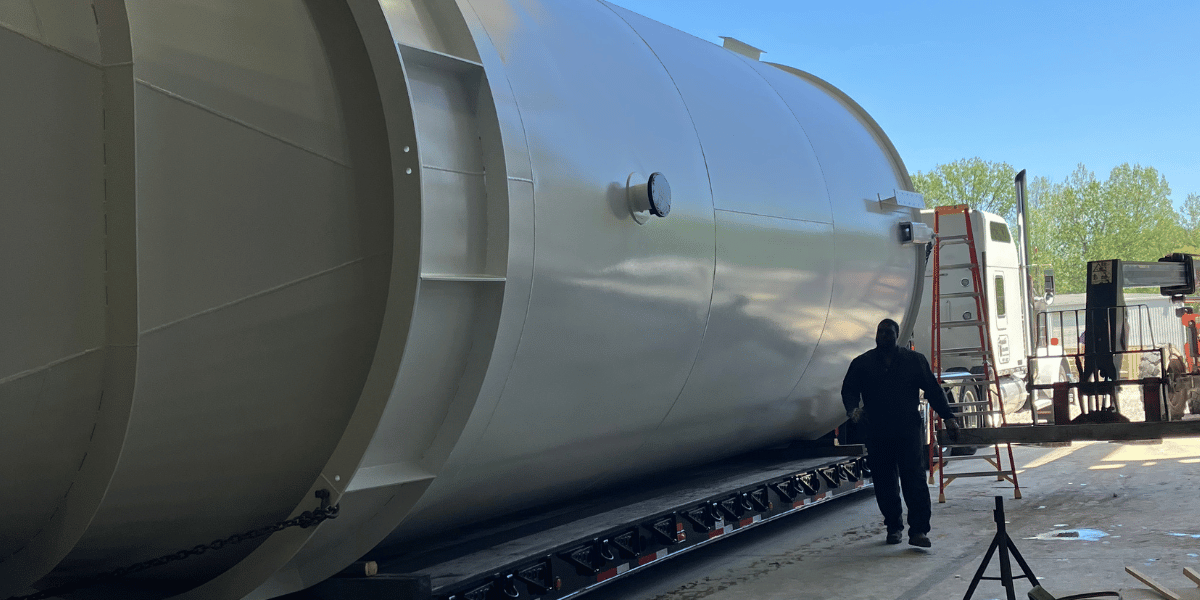
A zero-citation project is an industrial construction project completed without any OSHA violations or regulatory citations during inspections from mobilization through project closeout. It reflects strong safety planning, trained and certified workers, consistent hazard monitoring, and full compliance with OSHA and site safety programs.
|
|
In industrial construction, safety performance is more than a compliance metric; it is a reflection of how a company operates. Every project has risks. The difference between a smooth, incident-free completion and one riddled with OSHA citations often comes down to one thing: the culture and systems behind the work.
At Burkes Mechanical, safety is not a department; it is a mindset built into every weld, lift, and shutdown. With an EMR of 0.47 and zero OSHA citations in the past three years, Burkes has proven that high production and world-class safety can exist together. Here is what it takes to deliver a zero-citation project from start to finish.
What Does “Zero Citations” Really Mean?
A zero-citation project means that throughout the project lifecycle, from mobilization to closeout, no OSHA or regulatory violations were recorded. It signifies that every aspect of the work met or exceeded federal, state, and client-specific safety standards.
For Burkes, it also represents:
-
Zero lost-time incidents: No injuries resulted in workers missing scheduled workdays, allowing crews to maintain productivity while ensuring the health and safety of every team member.
-
Zero recordable injuries: No OSHA-recordable injuries occurred during the project, demonstrating effective hazard identification, proper procedures, and consistent safety awareness across all crews.
-
Full compliance with site safety programs and audits: All work activities met or exceeded OSHA regulations and client-specific safety requirements, with successful completion of internal and external safety inspections and audits.
It is not luck or good fortune. It is the result of planning, training, and accountability integrated into every phase of a project.
Phase 1: Pre-Planning for Safety Success
Every safe project begins long before boots hit the ground. Burkes Mechanical integrates safety into the pre-construction and engineering stages of every project.
Key actions include:
-
Performing Job Safety Analyses (JSAs) for each task
-
Identifying high-risk activities early, such as confined space entry, hot work, or crane lifts
-
Coordinating with client safety teams to align procedures
-
Developing a site-specific safety plan that covers emergency response, PPE requirements, and hazard controls
The goal is to eliminate surprises. By designing safety into the project plan, Burkes ensures that risks are identified and mitigated before work begins.
Phase 2: Training a Certified Industrial Workforce
A zero-citation safety culture depends on skilled workers who understand both their trade and the risks associated with industrial environments.
Burkes Mechanical invests heavily in workforce training and certification programs.
Field personnel commonly receive training in:
-
OSHA 10 and OSHA 30 Construction Safety
-
NCCER craft certification
-
Confined space entry and rescue
-
Lockout / tagout procedures
-
Rigging and lifting safety
Supervisors complete leadership-level training focused on:
-
Hazard recognition
-
Incident prevention
-
Root cause analysis
-
Safety leadership and accountability
Every employee also has stop-work authority, meaning any worker can halt operations if unsafe conditions are identified.
Phase 3: Building a Culture of Daily Awareness
Even the best safety plans fail without consistent execution. Burkes reinforces safety culture through daily practices that keep hazards visible and communication clear.
Burkes keeps safety front and center through:
-
Morning toolbox talks that address task-specific hazards
-
Pre-task hazard analyses reviewed by both supervisors and workers
-
Daily safety audits conducted by the internal Safety Department
-
Cross-trade communication between millwrights, welders, riggers, and project managers to identify overlaps in work areas
These daily practices turn safety from a checklist into a shared responsibility across every crew member on the jobsite.
Phase 4: Rigorous Oversight and Documentation
Regulators and clients expect thorough documentation. Burkes exceeds expectations by maintaining detailed safety records and inspection logs for every job.
Each project includes:
-
Safety data sheets and training verification for every worker
-
Equipment inspection and maintenance records
-
Safety data sheets and hazard documentation
-
Incident and near-miss reporting forms
-
Daily compliance checklists and progress documentation
Comprehensive records build confidence with inspectors. When OSHA arrives and sees well-documented safety programs, it reinforces credibility and professionalism.
Phase 5: Partnering with Clients for Safety Alignment
Every client has its own safety culture and standards. Burkes approaches each partnership with the understanding that alignment builds consistency.
Before mobilization, Burkes safety leaders meet with client EHS representatives to:
-
Review site-specific safety programs
-
Align incident reporting and communication procedures
-
Conduct joint safety walk-downs
-
Establish clear roles and responsibilities for oversight
By approaching safety as a shared priority, Burkes ensures that every contractor, subcontractor, and team member is working under the same expectations.
Phase 6: Continuous Improvement After Closeout
Zero citations are not the finish line; they are the baseline for continuous improvement. After each project, Burkes conducts an After-Action Safety Review to evaluate what worked, what can be improved, and how lessons learned will be applied company-wide.
These reviews examine:
-
Lessons learned
-
Potential process improvements
-
Emerging safety risks
-
Training opportunities
This feedback loop ensures the safety program grows stronger with each project and adapts to new technologies, regulations, and industry best practices.
What does a Zero-Citation Project Says About a Contractor?
When a contractor consistently delivers zero-citation projects, it tells clients three important things:
-
They plan ahead. Safety is engineered into the project plan from the start. Safety risks are identified and addressed early.
-
They invest in people. A certified, empowered workforce reduces risk and increases efficiency. Certified workers are better prepared to perform complex industrial tasks safely.
-
They deliver consistency. When safety is dependable, it correlates with quality, schedule, and budget.
For plant managers, project engineers, procurement leaders, and executives, a zero-citation contractor means fewer disruptions and greater confidence that the job will be completed safely and on time.
The table below highlights the safety practices that distinguish high-performing industrial contractors and how they directly impact project outcomes.
| Contractor Safety Practice | What It Looks Like | Impact on Your Project |
|---|---|---|
| Pre-construction safety planning | Job hazard analysis and detailed lift planning | Fewer unexpected delays |
| Certified workforce | OSHA-trained welders, riggers, and millwrights | Reduced risk of errors and accidents |
| Daily safety communication | Toolbox talks and pre-task planning | Improved coordination across trades |
| Documentation and inspections | Equipment inspections and safety audits | Compliance during OSHA inspections |
| Continuous safety improvement | Post-project safety reviews | Stronger performance on future projects |
These practices form the foundation of a strong safety program, but the consistency of their execution ultimately depends on the overall safety culture of the contractor.
Building Safety Into Every Project
Achieving zero OSHA citations requires leadership commitment, strong planning, and continuous workforce engagement.
At Burkes Mechanical, safety is integrated into every aspect of industrial construction and fabrication services.
Whether supporting:
-
Equipment setting
-
Structural steel installation
-
Plant outages and shutdowns
Safety performance remains a central focus.
For industrial facilities seeking a contractor with proven safety leadership, Burkes Mechanical delivers both operational excellence and a consistent safety record.
FAQs
-
What is a zero-citation construction project?
A zero-citation construction project is one where OSHA or other regulators issue no safety violations during inspections throughout the project lifecycle.
-
Why is EMR important when choosing a contractor?
EMR indicates a contractor’s historical safety performance. A lower EMR means fewer injuries and insurance claims, often reflecting stronger safety programs.
-
What training do industrial construction workers need?
Workers typically complete OSHA training, craft certifications, confined space safety training, lockout/tagout procedures, and rigging certifications.
-
How do contractors prevent OSHA violations?
Preventing OSHA violations requires pre-project planning, workforce training, daily safety monitoring, and detailed compliance documentation.
-
Why do plant managers prioritize safety performance?
Strong safety programs reduce operational disruptions, lower risk exposure, and help projects finish on schedule.
About Burkes Mechanical%20(1)-1.png?width=100&height=62&name=Logo%20-%20Burkes%20(1)%20(1)-1.png)
Founded in 1986, Burkes Mechanical is a leading industrial contractor serving facilities across the Southeast with mechanical construction, electrical and instrumentation services, fabrication, and crane support. With decades of experience and a workforce of skilled craft professionals, Burkes delivers safe, reliable solutions for complex industrial projects in industries such as pulp and paper, chemical, petroleum, mining, manufacturing, and power generation.
Our team combines technical expertise, certified craftsmanship, and a strong safety culture to execute projects with precision and accountability. Backed by ASME, API, and NBIC certifications and an industry-leading safety record, Burkes Mechanical helps plant managers and project engineers complete critical installations, maintenance, and shutdown work safely, efficiently, and on schedule.
%20(1)-1.png?width=497&height=308&name=Logo%20-%20Burkes%20(1)%20(1)-1.png)

%20(1)-1.png?width=93&height=58&name=Logo%20-%20Burkes%20(1)%20(1)-1.png)
Burkes